
ED rehabilitation

A comprehensive approach to support, treatment and recovery with separate pathways for patients and loved ones.

Support for parents and loved ones of people with eating disorders at Redefine

For parents of children and teenagers with eating disorders

When a child or teenager begins to struggle with eating, parents often feel anxious, confused and faced with many questions. At Redefine, we help the family better understand what is happening, support the child without pressure and become an important part of the recovery process.

Early signs

How to understand that a child may need help

Eating difficulties in a child or teenager are not always obvious. Parents often find it hard to understand what is happening, how to respond correctly and when to seek professional support.

01

Changes in attitude toward food

A child may avoid shared meals, sharply restrict their diet, have many rules around food or feel excessive anxiety about eating.

  • refusal of certain foods
  • fear of eating with others
  • constant rules around food
  • sharp restriction or overeating
02

Emotional tension and withdrawal

Anxiety, shame, irritability, avoidance of conversations or strong reactions to topics of weight, body, eating or treatment may appear.

  • avoiding conversations
  • frequent conflicts at home
  • isolation from loved ones
  • anxiety or shame after eating
03

Body control and exhaustion

A child may weigh themselves often, check their body, fear weight changes, complain of tiredness, weakness, dizziness or sleep problems.

  • frequent weighing
  • fear of gaining weight
  • constant tiredness
  • weakness or dizziness
What is important to understand

An eating disorder is not a choice or a whim

It is a complex condition that requires understanding, support and professional care.

Behind difficulties with eating there may be emotional tension, anxiety, body reactions, thinking patterns and ways of coping with stress. That is why attempts to influence the situation only through control, persuasion or pressure often do not work and may increase tension within the family.

Talk to a specialist
Support for parents of a child with an eating disorder

Without pressure

What parents should avoid doing

When a child or teenager begins to struggle with eating, parents naturally want to fix everything quickly. But control, pressure and blame often do not help and can increase anxiety, shame and tension within the family.

Support begins with understanding, not control

An eating disorder is not a choice or a whim. It is a complex condition where emotional difficulties, body reactions, thinking patterns and ways of coping with stress are interconnected.

Parents do not have to handle this alone

We help make sense of the situation, reduce anxiety and build calmer, more stable and supportive interaction with the child.

Discuss the situation
What to avoid
What to do instead
01

Do not control every meal

Constant checks, comments about portions or demands to eat can increase tension and make the child hide their condition.

Better

It is better to work with a specialist to understand how to create a safer home environment without daily conflicts around food.

02

Do not reduce everything to weight or appearance

Conversations about weight loss, weight gain, the body or comparisons with others can feel painful, even when they come from care.

Better

It is better to talk about well-being, tiredness, anxiety, safety and readiness to receive support.

03

Do not blame the child

An eating disorder is not a whim, weakness of character or a way to get attention. Blame can increase shame, isolation and distrust.

Better

It is better to separate the child’s behavior from their condition, acknowledge the complexity of the situation and calmly offer help.

04

Do not act only through prohibitions

Rigid demands, ultimatums or attempts to convince by force often do not address the cause of the condition and can damage family connection.

Better

It is better to move gradually: get professional recommendations, understand the parents’ role and build support without pressure.

When to seek help

When parents should seek support

If difficulties with eating, anxiety around food or changes in a child’s behavior become noticeable, it is better not to wait for the situation to worsen. A consultation can help you understand what is happening and how to support without pressure.

Food

Tension appears around eating

The child avoids food, has many rules, feels anxious about products or responds to meals with fear, shame or conflict.

State

Parents find it hard to understand what is happening

There may be anxiety, confusion and many questions: how to talk, how to respond and how to help the child without increasing tension.

Family

The situation affects the family atmosphere

Conversations about food, the body or treatment become a source of conflict, while tension, control or a sense of helplessness grows at home.

Support

Parents need support too

When it is difficult to act calmly, it is important to receive professional support, understand the parents’ role and build safe interaction with the child.

How we work with parents

Family support begins with understanding

When a child or teenager has difficulties with eating, it is important for parents not to face it alone. We help make sense of the situation, reduce anxiety and build calmer, more supportive interaction.

First consultation for parents of a child with an eating disorder
01

We understand the situation

During the first consultation, we help parents understand what is happening with the child, which signs may be related to an eating disorder and how to respond without pressure.

  • condition assessment
  • first recommendations
Explaining eating disorder mechanisms to parents
02

We explain eating disorder mechanisms

We help distinguish the child’s behavior from their condition, explain why an eating disorder is not a choice or a whim, and how the family can become a recovery resource.

  • understanding the causes
  • parents’ role
Family support during a child’s eating disorder recovery
03

We build support at home

Parents receive practical guidance: how to talk to the child, reduce conflict, avoid increasing control and create a safer environment.

  • support without pressure
  • stable interaction
What is important to understand

An eating disorder is not a choice or a whim

Do not pressure
Control, persuasion or criticism often do not help and may increase tension between parents and the child.
Separate the condition from behavior
Behind food refusal, anxiety or withdrawal there may be not stubbornness, but a complex inner state.
Support without control
A child needs to feel not supervision, but stability, calm and the parents’ readiness to stay close.
Seek help
Parents do not have to handle this alone. Professional support helps understand the situation and act without harm.

Resources for parents

Guide to treatment and staying at the center

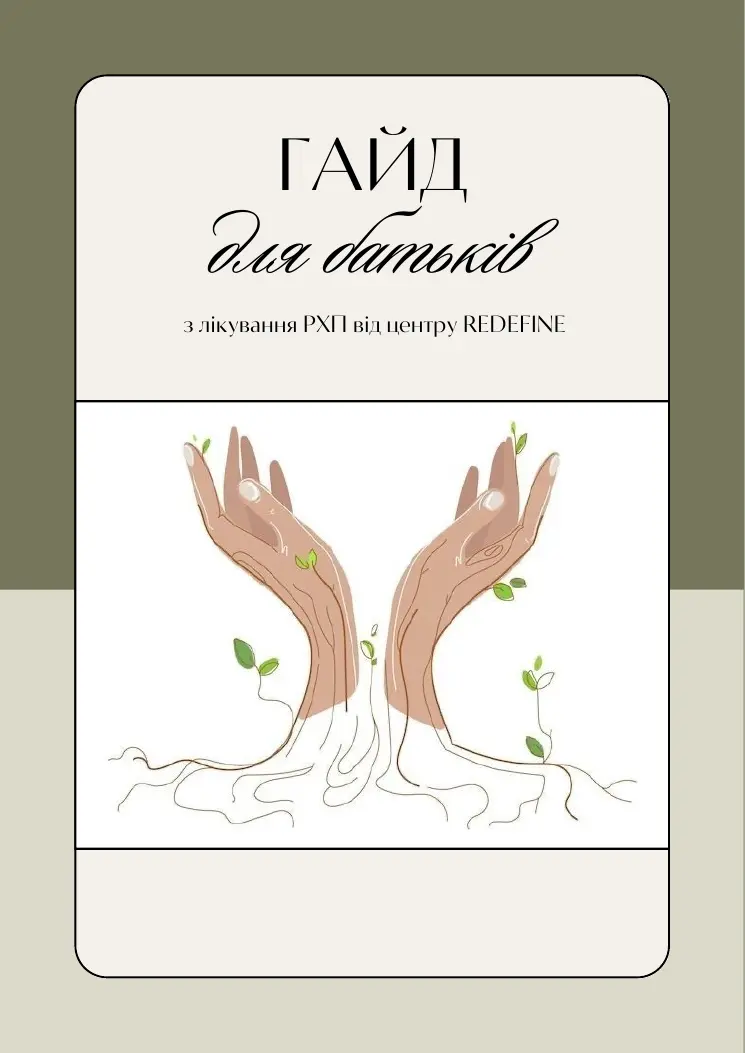
A comprehensive guide for parents and loved ones explaining the stages of treatment, residential rules, meal organization, visits and continued support after discharge.

  • Eating disorder treatment basics and levels of care
  • Nutrition, tests, medication and patient safety
  • Living arrangements, center rules and visits
  • Adaptation, resocialization and support after discharge

The document is in Ukrainian

Cover of the Redefine guide for parents
177 pages PDF, 20 МБ
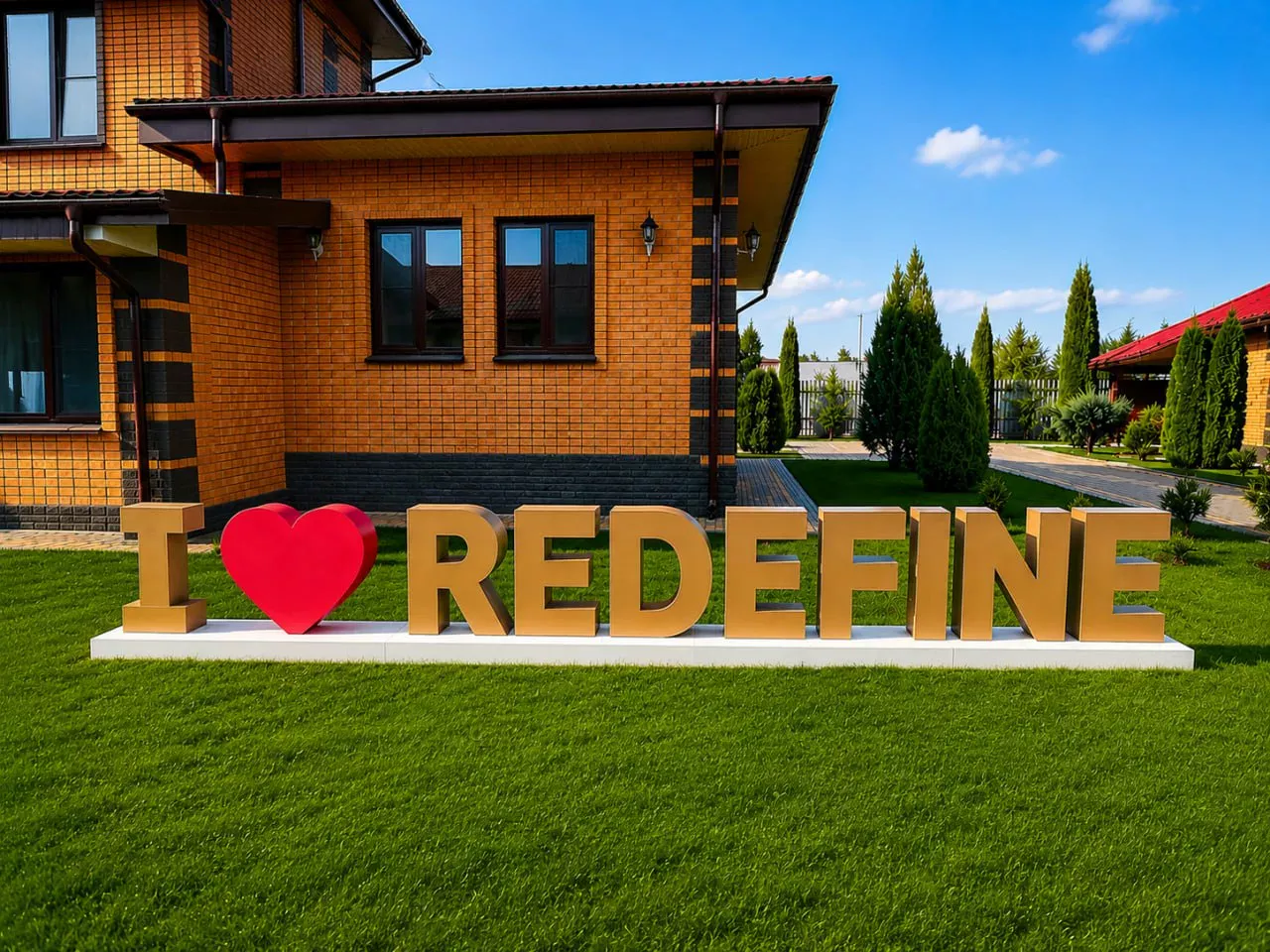
A safe space at Redefine for recovery from eating disorders
About the center

Redefine - a recovery space for eating disorders

Request a consultation

Redefine is a treatment and rehabilitation center specializing in comprehensive recovery from eating disorders. We approach EDs not only as a matter of food or weight, but as a multifactorial condition where emotional state, the body, nutrition, medical support and a person’s environment all matter. The center offers a safe space where people can gradually reduce control, anxiety and tension around food, while restoring connection with themselves, their body and their own life.

Address
Kyiv region, Brovary district, Krasylivka village, Bazhana Street, 8A
Location
Photo gallery

Book a consultation